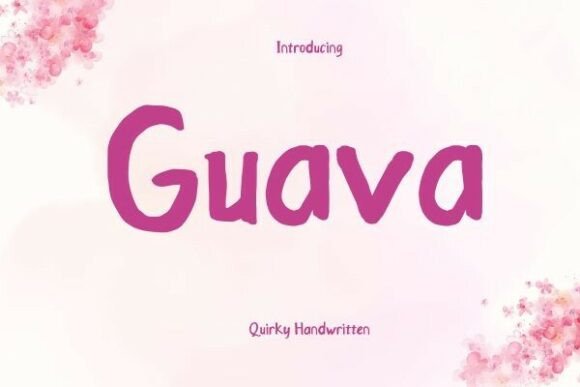
Guava Font: A Handwritten Touch for Handmade Products
The sticky, sweet scent of soy wax filled the air as I carefully peeled the backing from a newly printed label. I smoothed it onto the glass jar, the blank surface transforming into something special. In that moment, it wasn’t just a candle; it became a product with a voice. The word “Sandalwood & Sea Salt” flowed across the label in a gentle, approachable script, looking less like a printed typeface and more like a personal note. That was my first real-world test with the Guava font, and it convinced me. Here was a tool that could translate the handmade feeling from my hands directly into my branding.
The Personality Behind the Pen Strokes
Guava is more than just a script font; it’s a design collaborator. Its charm lies in its beautifully simple, natural-looking handwriting. The letters have a soft, organic flow without being overly ornate or rigidly formal. It carries a mood of warmth, friendliness, and creative ease—perfect for makers who want their products to feel personal, not mass-produced. Whether you’re etching it onto a coffee mug, printing it onto a tote bag, or setting it on a chic wall art print, Guava brings an effortless human touch. For a crafter or seller, that emotional appeal is everything. It suggests care, attention, and a story behind the item.
From Sketch to Product: Guava in the Wild
In my own shop, Guava has become the go-to voice for anything that needs to feel special or heartfelt. I’ve moved from candle labels to a whole range of projects, and each one benefits from that handwritten personality.
For my line of greeting cards, Guava is the star for the main sentiment. “Thank You,” “Happy Birthday,” or “With Sympathy” written in Guava feels sincere and direct, as if I’d penned it myself for the recipient. It pairs wonderfully with a clean, thin sans-serif font for the smaller details inside the card, creating a balanced and professional look.
Wedding stationery is another perfect home for this font. From save-the-dates to welcome signs and place cards, Guava adds a touch of romantic, modern calligraphy without the steep price tag of a hired calligrapher. For a recent barn wedding suite, I used Guava for the couple’s names and key phrases on the invitations, layered over a simple serif font for the informational text. The result was elegant, cohesive, and deeply personal for the clients.
It also excels in functional, everyday design. I use it for the headers on my printable planner pages, making the monthly overviews feel inviting. It’s on my product tags and boutique-style packaging tape, reinforcing my brand identity across every item that leaves my studio. Even for digital downloads—like wall art quotes—Guava makes the text feel like a unique piece of art, not just another generic template.
Practical Magic: Readability and Application
One of Guava’s greatest strengths is its versatility in application. For cutting machine users working on vinyl stickers or intricate paper cuts for invitations, its consistent weight and clear letterforms are a dream. Even at smaller sizes on product labels or tiny stickers, it remains legible because of its open, uncluttered design.
That said, Guava is primarily a display font. It’s perfect for short phrases, names, titles, and decorative wording—the elements you want to highlight. I wouldn’t set a long paragraph of body text in it, as that could sacrifice readability. Instead, I let Guava sing on the main attraction and support it with a more neutral font for longer text blocks. This pairing strategy is key. Try Guava with a geometric sans-serif for a modern look, or a classic serif for a timeless feel. The contrast makes the handwritten elements pop even more.
A Responsible Maker’s Checklist
Before committing any font to a commercial product, it’s crucial to do your due diligence. When I licensed Guava, I first checked its included features. Does it have stylistic alternates or swashes to add variety to repeated words? Are there ligatures to make letter combinations like “th” or “fi” flow seamlessly? I also verified the file formats worked with my software—typically needing OTF or TTF for desktop design and maybe WOFF for web use if I’m updating my shop graphics.
Most importantly, I confirmed the commercial license. As a seller creating physical products (like mugs, shirts, and printed cards) and digital printables, I needed a license that specifically allowed for that kind of commercial use. A font is a designer’s product, and respecting its license is a fundamental part of running an ethical creative business. Always read the license agreement that comes with your font to ensure your intended use is covered.
Seasonal Sprinkles and Lasting Impressions
The test of a great creative asset is how it adapts. Guava seamlessly transitions into seasonal projects. For fall, I’ve used it on “Pumpkin Spice & Everything Nice” jar labels. During the holidays, it gives a cozy, handwritten feel to gift tags and hot cocoa mix packaging. On a simple linen tote bag, a Guava phrase like “Market Day” or “Fresh Blooms” instantly elevates it from plain to premium.
Ultimately, using a font like Guava is about building a consistent, recognizable brand voice. When a customer sees your candle label, then your thank-you card, and later your Instagram graphic, and they all share that same warm, handwritten aesthetic, it creates a memorable and trustworthy identity. It tells them that there’s a person, not just a factory, behind the products. In a world of digital perfection, that genuine, human touch—simulated so well by this versatile script font—is precisely what makes handmade goods so valuable. Guava doesn’t just write words; it helps tell your story.